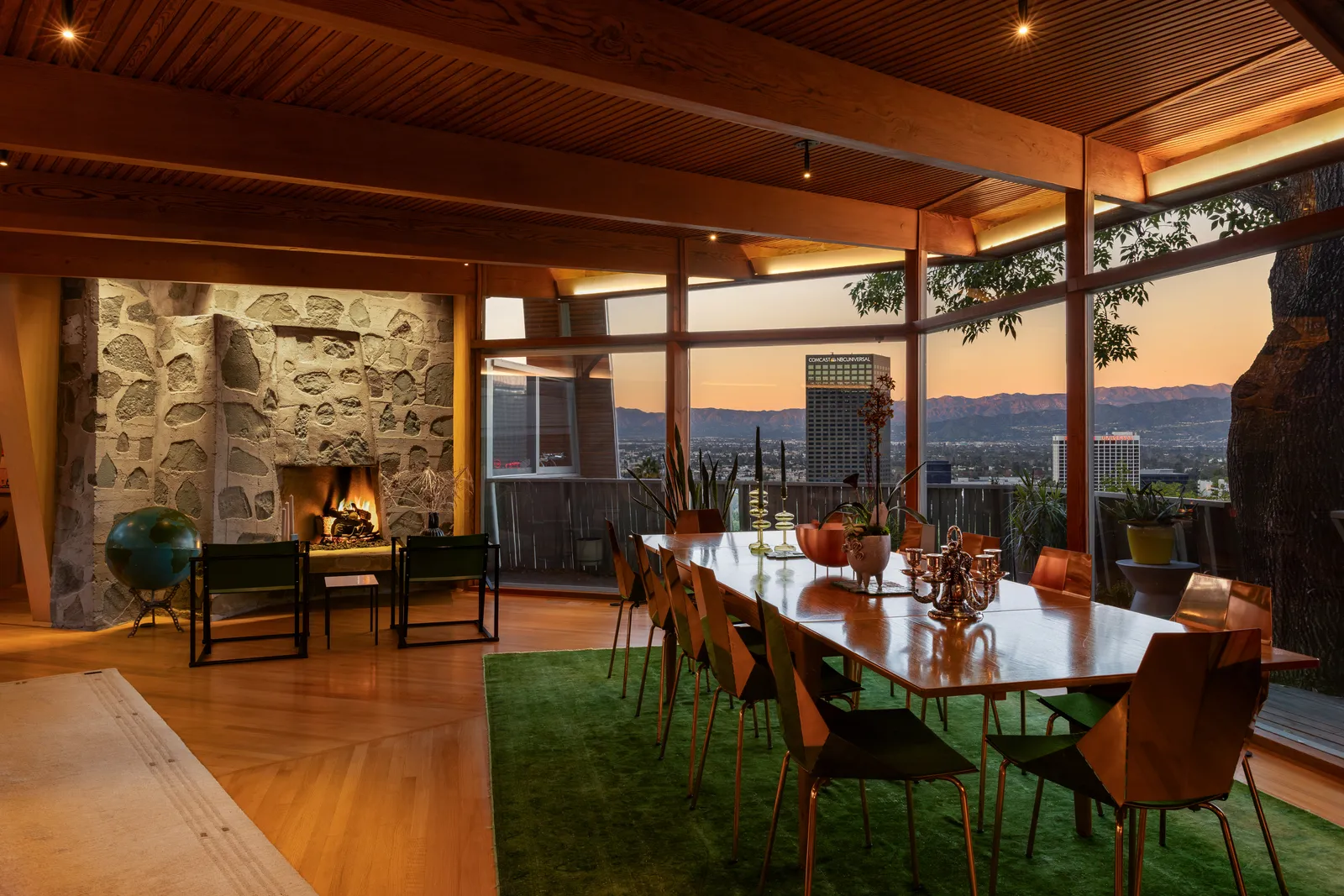
Kallis Sharlin residence - Wallpaper Magazine
(Image credit: Alexis Adam)
Mid-century design should probably just change its name to “all-century” design at this point. It isn’t a fleeting trend, it’s a timeless ethos that took root in the mid-1940s and has refused to leave the conversation since.
While the movement officially spanned from roughly 1945 to 1965, its different regional "dialects", from the industrial rigor of the U.S. to the soulful warmth of Brazil, all emerged simultaneously as a response to a world that was ready for a fresh start.
The real creative magic isn't about turning your house into a 1954 time capsule. That's been done. The fun part is taking cues from different pockets of mid-century style and merging them with the way we actually live today. It’s like taking inspiration from a '70s action film but rewriting the script for a modern audience. It’s about the bones, the soul, and how those pieces play with things like modern farmhouse or coastal vibes.
When we’re sourcing for a project, we usually look at four specific "flavors" of mid-century to find that perfect balance.
01. Mid-Century Modern: This is the version we all know. It’s the original script—clean lines, functional, and very architectural. It provides the "logic" for a room. At the studio, we’ll take a classic MCM silhouette but wrap it in a heavy, intentional texture like a luxe boucle. It keeps the "cool" but adds the "soul" so the space doesn't feel clinical.
02. Mid-Century Brazilian: If American MCM is the logic, Brazilian modernism is the feeling. This is where things get moody and grounded. Think raw, tropical woods, heavy proportions, and leather that actually looks better once it’s been lived in for a few years. We love using these pieces to ground a bright, airy space. It adds a layer of earthy luxury that keeps a room from feeling too "precious."
03. Mid-Century Italian: This is the high-fashion, experimental side of the movement. It’s sculptural and definitely glamorous. We’re talking brass accents and sharp, avant-garde silhouettes. We treat Italian pieces like jewelry. One sharp Italian armchair in a room full of soft, neutral linens provides that editorial edge that makes a space feel truly bespoke.
04. French Mid-Century: If you want to move into the territory of "functional art," you look to the French. Think designers like Jean Prouvé or Charlotte Perriand. This style is less about mass production and more about experimental, artisanal craftsmanship. It’s industrial but incredibly refined—imagine folded steel meeting warm, hand-shaped wood.
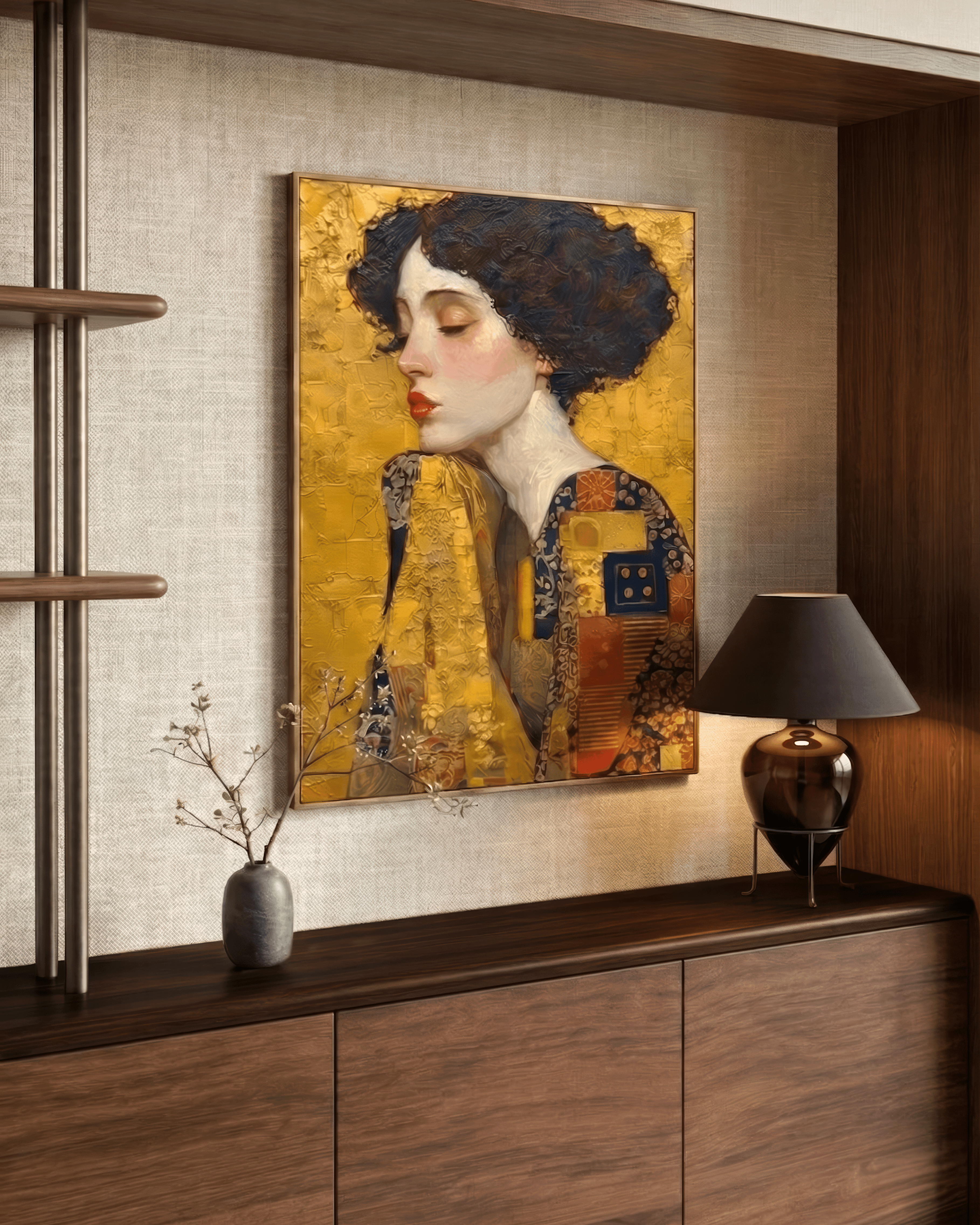
The Boulevardier Project
Studio Emi
The "Boulevardier" Approach
Our current project, Boulevardier, is a perfect example of this "remix" in action. We didn't stick to one era; we pulled from all of them to create something that feels collected over time.
We leaned into the architectural logic of MCM with solid walnut pieces, then softened the edges with the soulful texture of linen wallpaper. To give it that cinematic, "all-century" feel, we layered in vintage lighting, classic timepieces, and a curated collection of records and design books.
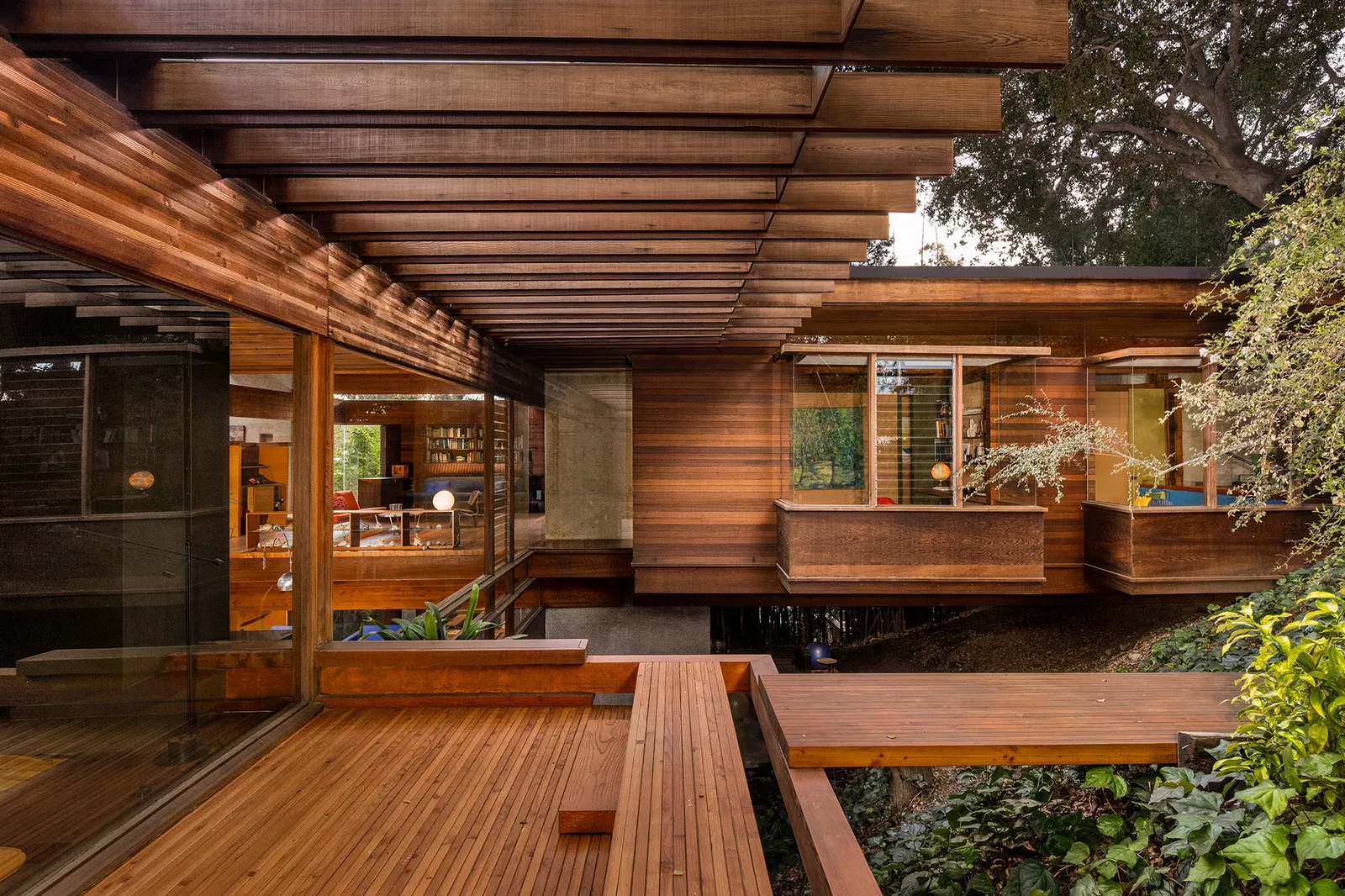
The Kappe House in Rustic Canyon
(Image credit: Cameron Carothers)
Looking Ahead: The Future of the All-Century Home
If you want proof that this ethos is more than just a passing trend, you only have to look at the real estate headlines this year. Two of the most significant mid-century landmarks in California have recently hit the market, offering a rare glimpse into the "blueprint" of modern living.
On one hand, we have the iconic Stahl House by Pierre Koenig—the glass-and-steel pavilion that defined the Hollywood Hills skyline. On the other, the much larger and more organic Kallis-Sharlin Residence by Rudolph Schindler.
While the Stahl House represents the "logic" of steel and glass, the Schindler home represents the "soul." It uses rich mahogany, layered volumes, and deep textures to create a home that feels carved into the hillside rather than just placed upon it.
At Studio Emi, our goal is to find the "sweet spot" between these two. Whether we are sourcing for Boulevardier or a new Oakville estate, we take the architectural rigor of a Koenig and pair it with the soulful, "lived-in" warmth of a Schindler.